
Material Science in Fitness Equipment: Durability and Corrosion Resistance
When investing in gym machines, durability is more than just a feature; it directly affects performance, safety, maintenance costs, and long-term value. Whether it’s a commercial training facility or a home setup, equipment must withstand constant pressure, repetitive movement, moisture exposure, and heavy usage without compromising stability.
This is where the durability and corrosion resistance of fitness equipment become critical. Behind every reliable machine is advanced material engineering designed to improve strength, reduce wear, and prevent corrosion over time. The quality of steel, coatings, welds, bearings, and structural components all influence how long equipment performs efficiently.
At Vibe, durability is built into every stage of product engineering. From premium-grade steel frames to corrosion-resistant finishes, Vibe designs fitness equipment that delivers long-lasting reliability for Pakistan’s growing fitness industry.
Why Material Science Matters in Fitness Equipment
Structural Demands of Modern Gym Equipment
Modern gym equipment operates under intense physical stress every day. Commercial facilities especially require machines that can perform consistently under demanding conditions.
Heavy Daily Usage
Commercial gyms often operate for 12–18 hours daily. Machines handle continuous use from multiple users with varying body weights and training styles. Equipment must maintain structural integrity despite repeated strain.
Repetitive Load Cycles
Strength equipment experiences constant loading and unloading during exercises. Over time, poor-quality materials weaken under repetitive stress, leading to frame fatigue and mechanical failure.
Dynamic Stress and Vibration
Cardio and resistance machines generate vibration and movement during workouts. Without durable materials for fitness machines, vibrations can loosen joints, weaken welds, and reduce machine stability.
The Cost of Poor Material Selection
Low-quality materials may reduce manufacturing costs initially, but they significantly increase long-term maintenance and replacement expenses.
Frame Instability
Weak frame materials can bend or deform under heavy weight loads, creating unsafe workout conditions.
Rust and Corrosion
Moisture, sweat, and humidity gradually damage untreated metal surfaces. Corrosion weakens structural components and affects the equipment’s appearance.
Premature Wear and Tear
Inferior bearings, joints, and moving parts wear out faster, reducing equipment lifespan and workout smoothness.
Increased Maintenance Costs
Frequent repairs, repainting, and replacement parts can become expensive for gym owners operating high-traffic facilities.
Core Materials Used in Premium Fitness Equipment
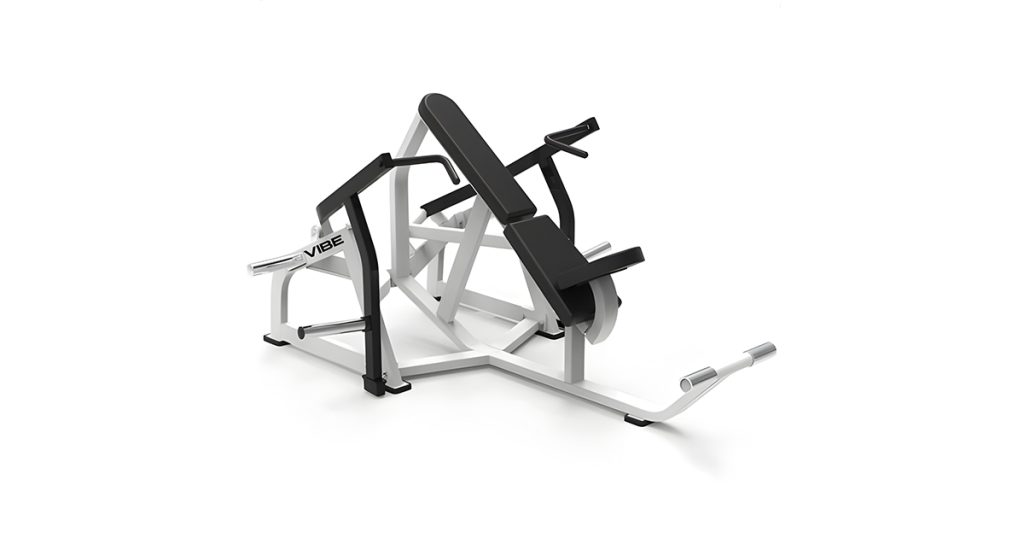
High Tensile Steel Frames
High tensile steel is one of the most common gym equipment frame materials used in commercial-grade fitness machines.
Strength-to-Weight Ratio
This material provides exceptional structural strength without excessive bulk, allowing manufacturers to design stable yet efficient equipment.
Load-Bearing Performance
Heavy-duty steel frames support high weight capacities while maintaining rigidity during intense training sessions.
Resistance to Deformation
Premium steel resists bending and warping even after years of repetitive use, improving overall commercial gym equipment durability.
Explore Vibe’s strength-focused solutions in the Plate Loaded Collection and with Weight Stack Equipment.
Stainless Steel Components
Stainless steel plays a major role in corrosion-resistant gym equipment due to its natural resistance to oxidation.
Corrosion Resistance Benefits
Its chromium-rich surface forms a protective layer that helps prevent rust formation.
Moisture and Sweat Protection
Fitness facilities constantly expose machines to sweat and cleaning chemicals. Stainless steel components resist moisture damage effectively.
Commercial Gym Applications
Commercial gyms frequently use stainless steel in fasteners, guide rods, support structures, and hardware systems.
Aluminum and Alloy Applications
Many manufacturers incorporate aluminum and specialized alloys for lightweight engineering and precision parts.
Lightweight Engineering
Aluminum reduces overall machine weight while maintaining structural reliability.
Reduced Oxidation Risks
Unlike untreated steel, aluminum naturally resists oxidation, making it ideal for humid environments.
Precision-Machined Components
Alloy materials improve manufacturing accuracy in moving mechanisms and performance-driven components.
Corrosion Resistance Technology in Gym Equipment
Powder Coating Systems Explained
Powder coating is one of the most effective technologies used in rust-resistant gym equipment.
Protective Coating Process
Electrostatically charged powder particles are applied to metal surfaces and heat-cured for strong adhesion.
Scratch and Moisture Resistance
Powder-coated surfaces resist scratches, moisture penetration, and surface damage better than traditional paint.
Aesthetic Longevity
High-quality coatings preserve equipment appearance and color consistency for years.
Browse Vibe’s premium Cardio Equipment featuring durable protective finishes.
Anti-Rust Surface Treatments
Advanced anti-corrosion treatments further improve machine longevity.
Electrostatic Coatings
Electrostatic application creates even protective coverage across complex surfaces.
Zinc and Anti-Corrosion Layers
Zinc coatings act as sacrificial barriers that protect steel from oxidation.
Humidity Protection
These protective layers are especially important in regions with high humidity and temperature variation.
Why Sweat and Humidity Damage Gym Machines
Many people underestimate how quickly sweat and environmental moisture can damage equipment.
Salt and Moisture Exposure
Human sweat contains salts that accelerate metal corrosion when left untreated.
Oxidation Acceleration
Continuous exposure to oxygen and moisture weakens unprotected metal surfaces.
Indoor Climate Impact
Poor ventilation and humid indoor conditions can significantly shorten equipment lifespan.
Engineering Factors That Affect Equipment Durability
Weld Quality and Frame Integrity
Strong welds are essential for maintaining frame strength and equipment stability.
Precision Welding
Advanced welding techniques create clean, durable joints that withstand repetitive stress.
Stress-Point Reinforcement
Reinforced high-impact areas reduce the risk of cracking or structural fatigue.
Structural Stability
Well-engineered welds improve overall machine balance and user safety.
Load Distribution and Weight Capacity
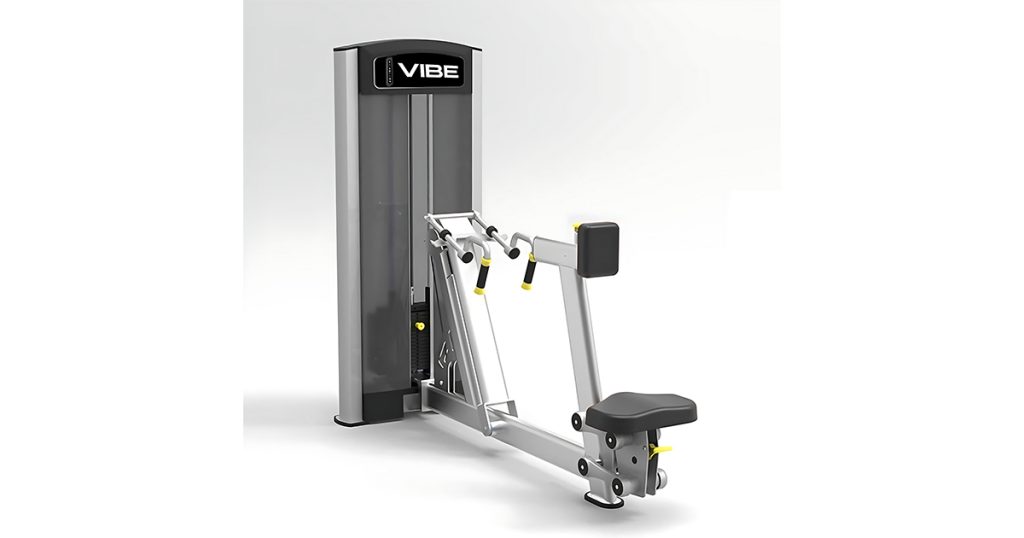
Proper engineering ensures forces are distributed evenly across the equipment structure.
Even Force Management
Balanced force distribution reduces unnecessary strain on specific frame sections.
Preventing Frame Fatigue
Efficient structural design prevents long-term metal fatigue during repeated use.
Stability During High-Intensity Use
Heavy-duty engineering keeps equipment stable during intense workouts and heavy lifting.
Bearing Systems and Moving Components
Moving parts directly affect machine performance and operational lifespan.
Friction Reduction
High-quality bearings minimize friction between moving components.
Longevity of Moving Parts
Reduced friction lowers wear rates and extends component lifespan.
Smooth Operational Performance
Premium bearing systems create smoother and quieter exercise experiences.
Commercial vs Home Gym Durability Requirements
High-Traffic Commercial Equipment Standards
Commercial facilities require industrial-grade engineering solutions.
Continuous Operational Stress
Commercial machines operate almost continuously throughout the day.
Heavy User Turnover
Equipment must accommodate users with different training intensities and body weights.
Industrial-Grade Construction
Commercial-grade machines use reinforced frames, stronger welds, and advanced coatings.
Explore Vibe’s commercial solutions, including Dumbbells, Weight Plates, and Kettlebells.
Durability Needs for Home Gyms
Home gyms require reliable performance with manageable maintenance needs.
Compact but Robust Materials
Home equipment should balance space efficiency with durability.
Low-Maintenance Finishes
Protective coatings reduce cleaning and maintenance requirements.
Long-Term Value
Durable home equipment provides better investment value over time.
How Corrosion Resistance Improves User Safety
Preventing Structural Weakness
Corrosion gradually weakens metal structures, increasing the risk of equipment failure during workouts.
Stability During Heavy Lifting
Strong corrosion-resistant frames maintain stability under heavy training loads.
Reducing Maintenance-Related Hazards
Well-protected equipment reduces the chances of loose components, sharp rusted edges, and mechanical breakdowns.
Maintenance Practices That Extend Equipment Lifespan
Cleaning and Moisture Control
Regular cleaning removes sweat, dust, and moisture that contribute to corrosion.
Inspection of Coatings and Hardware
Routine inspections help identify chipped coatings, loose bolts, or early signs of rust.
Preventive Maintenance Scheduling
Scheduled maintenance improves operational safety and significantly extends equipment life.
Vibe also offers premium Fitness Accessories designed for long-term durability and consistent performance.
What to Look for When Buying Durable Gym Equipment
Frame Construction Quality
Choose equipment with reinforced steel frames, heavy-duty pipe thickness (measured in mm/gauge), and industrial-grade structural engineering to ensure superior load capacity, stability, and long-term durability.
Warranty and Commercial Certifications
Strong warranties often reflect manufacturing confidence and build quality.
Resistance to Corrosion and Environmental Damage
Always prioritize corrosion-resistant gym equipment designed for humid environments and heavy usage.
Why Vibe Prioritizes Durability and Engineering Excellence
Vibe focuses on advanced fitness equipment and material science to deliver reliable, high-performance gym solutions.
Premium-Grade Materials
Every product is built using carefully selected commercial-grade materials.
Commercial-Quality Manufacturing Standards
Vibe follows strict manufacturing and engineering standards for structural integrity and durability.
Focus on Biomechanics, Stability, and Longevity
Equipment is designed for smooth movement, user safety, and long operational life.
Designed for Pakistan’s Climate and Fitness Industry Demands
Vibe products are engineered to perform effectively in local environmental conditions, including humidity and heavy commercial usage.
Learn more at Vibe and explore expert fitness insights on the Vibe’s Blog.
The Importance of Durable and Corrosion-Resistant Fitness Equipment
The science behind material selection plays a major role in equipment performance, user safety, and operational lifespan. High-quality steel, advanced coatings, precision welds, and anti-corrosion technologies all contribute to superior fitness equipment durability and corrosion resistance.
Investing in premium engineered equipment reduces long-term maintenance costs, improves reliability, and creates a safer training environment. Whether for commercial gyms or home fitness spaces, durable construction ensures consistent performance for years.
Vibe combines advanced engineering, corrosion-resistant technology, and commercial-grade manufacturing to deliver fitness equipment built for lasting performance.
Frequently Asked Questions
What materials are best for durable gym equipment?
High tensile steel, stainless steel, and specialized aluminum alloys are among the best materials for durable gym equipment because they provide strength, stability, and corrosion resistance.
Why does gym equipment rust over time?
Gym equipment rusts due to exposure to moisture, sweat, humidity, and oxygen. Poor protective coatings accelerate oxidation and corrosion.
What is powder coating in fitness equipment?
Powder coating is a protective finishing process that improves scratch resistance, corrosion protection, and long-term appearance.
How long should commercial gym equipment last?
High-quality commercial gym equipment can last 10–20 years with proper maintenance and regular servicing.
Is stainless steel better for gym equipment?
Stainless steel offers excellent corrosion resistance and moisture protection, making it ideal for many gym equipment components.
How can I prevent corrosion in fitness machines?
Regular cleaning, moisture control, protective coatings, and preventive maintenance help reduce corrosion risks.
What makes commercial gym equipment more durable than home equipment?
Commercial equipment uses industrial-grade materials, reinforced frames, stronger welds, and higher-quality engineering to handle continuous heavy use.